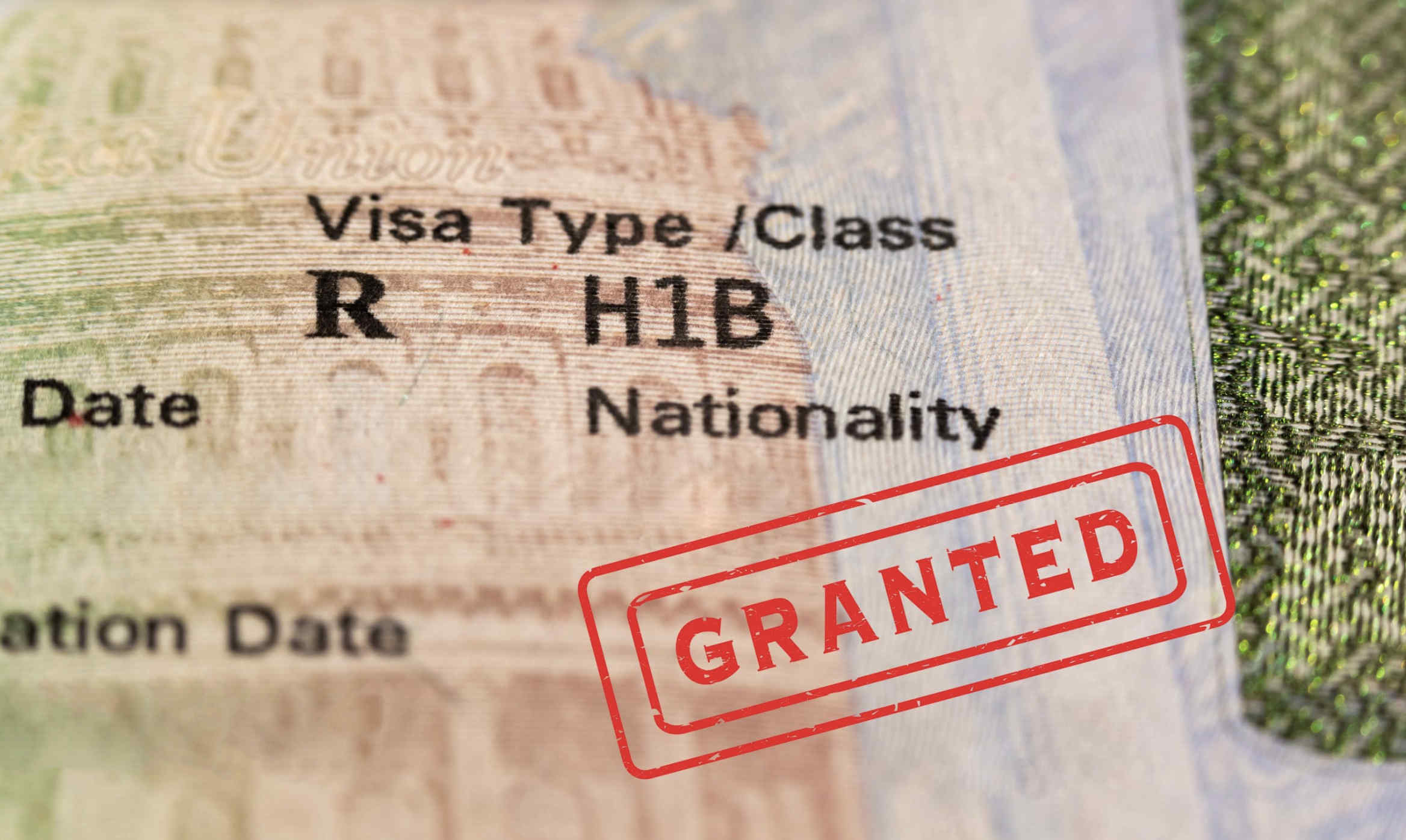
FY 2027 H-1B Cap Initial Registration Period Opens on March 4, 2026
U.S. Citizenship and Immigration Services has announced that the initial registration period for fiscal year 2027 H-1B cap petitions will commence at noon Eastern time on March 4, 2026, and conclude at noon Eastern time on March 19, 2026. According to USCIS officials, prospective employers seeking to sponsor foreign workers under the H-1B program must complete electronic registration during this two-week window to be considered for the annual visa lottery.
The agency requires all H-1B cap-subject petitioners and their authorized representatives to use USCIS online accounts to register each potential beneficiary electronically. Each registration submission requires payment of a $215 fee, which must be processed at the time of registration. USCIS states that this electronic registration system streamlines the initial application process and allows the agency to manage the high volume of annual H-1B requests more efficiently.
For employers who have not yet established a USCIS online account, the agency emphasizes that organizational accounts must be created before the registration period begins. Representatives may add company clients to their accounts at any time, but both representatives and employers must wait until the official opening on March 4 to enter beneficiary information, submit registrations, and process the associated registration fees.
USCIS officials indicate that the selection process will occur after the initial registration period closes on March 19. The agency intends to send selection notifications by March 31, 2026, through users' USCIS online accounts. Only prospective petitioners and representatives who receive notification that at least one registration has been selected will be eligible to proceed with filing an H-1B cap-subject petition.
According to USCIS regulations, a petitioner may only file an H-1B cap-subject petition, including petitions for beneficiaries eligible for the advanced degree exemption, if their registration for that specific beneficiary was selected during the H-1B registration process. This requirement applies uniformly across all cap-subject H-1B petitions, regardless of the beneficiary's educational background or the employer's industry sector.
New Selection Process for FY 2027
The Department of Homeland Security has implemented a final rule that fundamentally changes how USCIS selects H-1B registrations for unique beneficiaries. The new selection process introduces a weighted system that prioritizes allocating visas to higher-skilled and higher-paid foreign workers. According to DHS officials, this approach aims to better protect the wages, working conditions, and job opportunities of American workers while ensuring that the H-1B program serves its intended purpose of filling specialized positions.
For the FY 2027 cap season, if USCIS receives registrations for unique beneficiaries during the initial registration period that exceed the annual cap, the agency will conduct a weighted selection from the pool of unique beneficiaries with properly submitted registrations. If the number of registrations for unique beneficiaries does not exceed the cap, USCIS will select all registrations for unique beneficiaries that were properly submitted during the initial registration period.
The weighted selection mechanism represents a significant departure from previous years' random lottery system. Under the new framework, registrations for beneficiaries with higher wage levels receive multiple entries in the selection pool, substantially improving their chances of being selected compared to lower-wage applicants. This change aligns with the administration's broader immigration policy objectives of prioritizing highly skilled workers and protecting American labor markets.
Additional Fee Requirements
On September 19, 2025, President Trump issued a Proclamation titled "Restriction on Entry of Certain Nonimmigrant Workers," which represents an initial step in reforming the H-1B nonimmigrant visa program. While the proclamation does not directly impact the electronic registration process itself, USCIS notes that petitioners who have their registration selected and become eligible to file an H-1B cap-subject petition may need to pay an additional $100,000 fee before filing the H-1B petition as a condition of eligibility.
The agency advises prospective petitioners to review the Presidential Proclamation section on the USCIS H-1B Specialty Occupations page for additional details regarding fee requirements and eligibility conditions. This additional fee requirement applies to certain categories of employers and may significantly impact the overall cost of sponsoring H-1B workers for some organizations.
USCIS maintains that additional information on the electronic registration process is available on the H-1B Electronic Registration Process page, and the agency will update this resource page prior to the initial registration period opening on March 4, 2026. Employers and representatives are encouraged to review these materials and ensure their accounts are properly configured before the registration window opens.
What's Next / Context
The H-1B visa program serves as one of the primary pathways for U.S. employers to hire foreign professionals in specialty occupations that require theoretical and practical application of highly specialized knowledge. The program has an annual cap of 65,000 visas for regular applicants, with an additional 20,000 slots reserved for individuals holding advanced degrees from U.S. institutions. In recent years, demand for H-1B visas has consistently exceeded the annual cap, leading to the implementation of the electronic registration system in 2020 to manage the high volume of applications more efficiently.
The transition to a weighted selection process represents the most significant change to the H-1B program's selection mechanism in recent years. This shift reflects ongoing policy debates about how to balance the need for skilled foreign workers with the protection of American labor markets and wages. The new system's emphasis on higher-skilled and higher-paid workers aligns with broader immigration policy objectives while potentially reshaping which employers and workers benefit from the program.
Employers planning to participate in the FY 2027 H-1B cap season should prepare by establishing USCIS online accounts well in advance of the March 4 registration opening. The two-week registration window provides limited time for account setup and registration submission, making early preparation essential. As the registration period approaches, USCIS will provide updated guidance and resources to help employers navigate the new weighted selection process and understand any additional requirements that may apply to their specific circumstances.