Minimum Salary Changes Announced for Immigration Programs
Immigration law firm Fragomen has reported that multiple countries have announced updates to minimum salary requirements for employment-based immigration programs, with changes taking effect in early 2026. According to Fragomen, the updates affect work visa programs across numerous jurisdictions, requiring employers and foreign workers to meet revised salary thresholds to maintain eligibility.
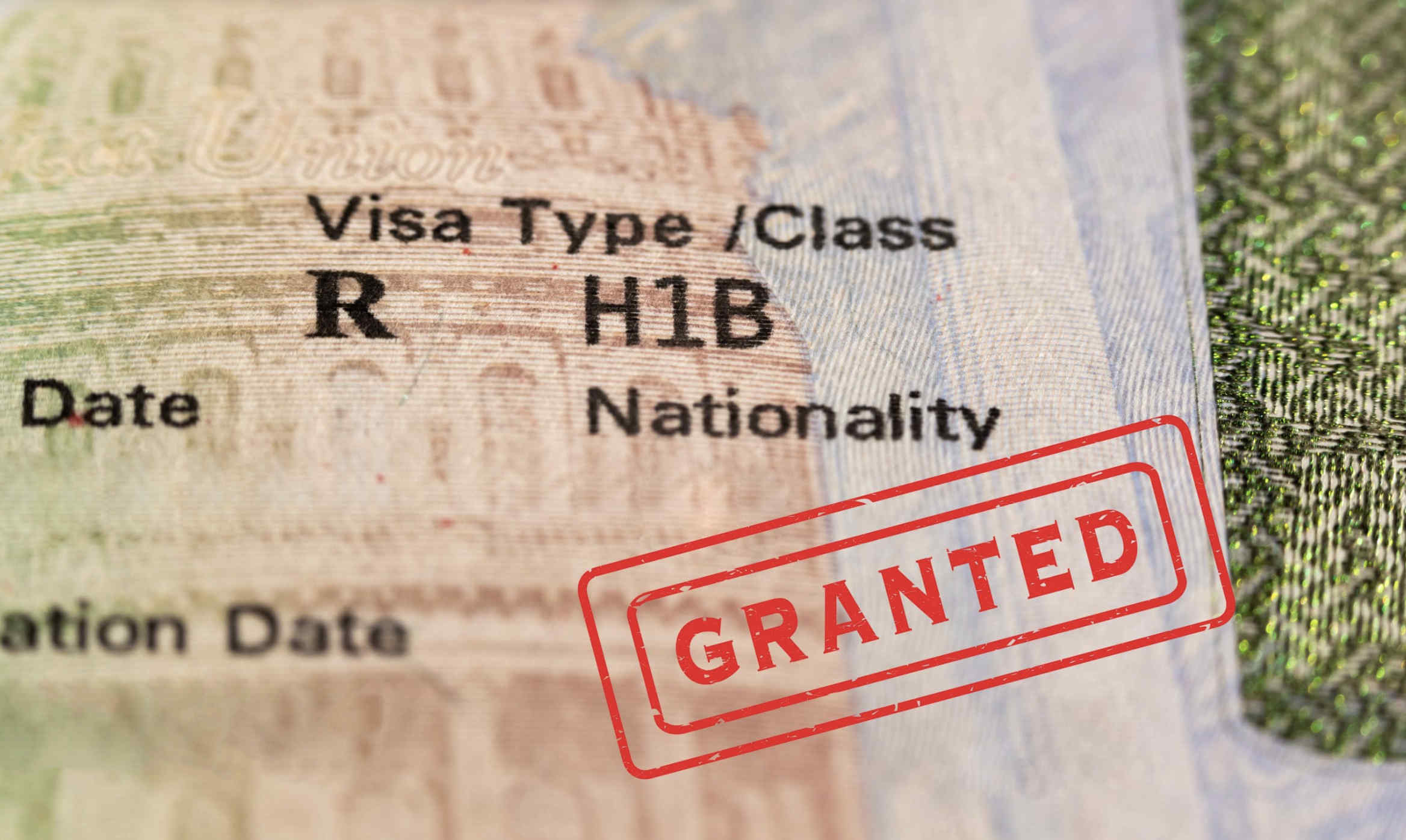
In the United States, the Department of Homeland Security has implemented significant changes to how minimum salary and wage levels factor into work visa selection processes. According to USCIS, the new H-1B visa selection system, which takes effect on February 27, 2026, prioritizes higher-paid workers by replacing the previous random lottery with a wage-based weighted selection method. The agency stated that this change aims to better protect American workers' wages and working conditions.
According to Fragomen, the global updates to minimum salary requirements reflect ongoing adjustments that countries make to align immigration programs with current economic conditions and labor market realities. The law firm noted that employers sponsoring foreign workers must stay informed about these changes to ensure compliance and avoid potential visa application delays or denials.
USCIS officials explained that under the new H-1B selection process, applicants are assigned to wage levels based on their offered salaries, with those in higher wage tiers receiving multiple entries into the selection pool. Workers in the highest wage category may receive up to four entries, significantly improving their selection odds compared to applicants in lower wage brackets. The agency maintains that this approach better serves the program's original intent of filling specialized positions that require highly skilled workers.
The Department of Homeland Security stated that the wage-based selection process addresses concerns about employers using the H-1B program to import lower-wage foreign workers, which officials said could suppress wages for American workers. According to DHS, the new system incentivizes employers to offer competitive salaries that reflect the true value of specialized skills, thereby protecting both foreign workers and American labor markets.
Immigration attorneys advise that employers planning to sponsor foreign workers should review their salary structures and obtain updated prevailing wage determinations from the Department of Labor. According to Fragomen, prevailing wage requirements ensure that foreign workers receive compensation comparable to similarly employed U.S. workers in the same geographic area and occupation. These determinations are typically required for H-1B, H-1B1, E-3, and certain employment-based green card petitions.
The updates to minimum salary requirements come as part of broader changes to employment-based immigration programs. According to USCIS, the agency continues to review and update wage level requirements to ensure they reflect current market conditions. Employers are encouraged to consult with immigration counsel or review official government resources to confirm the specific salary thresholds applicable to their visa petitions.
Some immigration advocates have noted that while minimum salary requirements help protect workers and prevent wage suppression, employers must balance compliance with these requirements against their ability to attract and retain talent. They emphasize the importance of understanding how salary thresholds are calculated and ensuring that offered wages meet both minimum requirements and prevailing wage standards.
What's Next / Context
Minimum salary and prevailing wage requirements have long been a cornerstone of U.S. employment-based immigration programs, designed to ensure that foreign workers receive fair compensation and that their employment does not adversely affect the wages and working conditions of similarly employed U.S. workers. The Department of Labor's prevailing wage determinations are based on surveys of wages paid to workers in specific occupations and geographic areas, and these determinations are regularly updated to reflect current market conditions.
The H-1B visa program, which allows U.S. employers to temporarily employ foreign workers in specialty occupations, has historically required employers to pay the higher of either the actual wage paid to similarly employed workers or the prevailing wage for the occupation in the area of employment. The shift to wage-based selection for H-1B visas represents a significant change in how the program allocates limited visa numbers, moving from a random lottery to a system that explicitly prioritizes higher-paid workers.
Employers and foreign workers affected by these changes should consult with qualified immigration attorneys or review official government resources to understand how the updated requirements apply to their specific situations. The Department of Labor's Foreign Labor Application Gateway system provides tools for obtaining prevailing wage determinations, and USCIS maintains resources explaining wage level requirements for various visa categories.
As countries continue to adjust their immigration programs in response to economic conditions and labor market needs, employers and workers should expect periodic updates to minimum salary thresholds and related requirements. Staying informed about these changes and ensuring timely compliance will be essential for maintaining eligibility for employment-based immigration programs.