USCIS Reports Improved Processing Times for Naturalization Applications
U.S. Citizenship and Immigration Services has announced significant improvements in naturalization processing times, with average wait periods reduced to approximately 8 months, down from previous averages of 12 to 15 months. According to agency officials, the improvements result from increased staffing levels, process enhancements, and expanded use of digital filing and case management technologies.
The agency processed over 900,000 naturalization applications in the past fiscal year, representing one of the highest annual volumes in recent history, according to USCIS data. Officials stated that despite the high application volume, processing efficiency has improved through strategic investments in personnel and technology. The agency has hired additional immigration officers and support staff specifically dedicated to naturalization cases.
According to Reuters, field offices across the country have implemented new scheduling systems designed to reduce the time between application submission and citizenship interviews. The updated procedures allow for more efficient case routing and better coordination between different stages of the naturalization process, from initial filing through the citizenship ceremony.
NBC News reports that USCIS has expanded its use of digital filing systems, allowing applicants to submit forms and required documentation electronically. The digital systems enable faster document processing and reduce administrative delays associated with paper-based filing. The agency has also improved its case tracking tools, giving applicants better visibility into their application status throughout the process.
The improvements vary by geographic location, with some field offices processing applications more quickly than others. USCIS officials noted that processing times depend on factors including application volume at specific offices, case complexity, and individual applicant circumstances. Applicants in areas with higher application volumes may still experience longer wait times, though these have generally decreased compared to previous periods.
According to agency statements, USCIS has also streamlined interview procedures and improved coordination between interview scheduling and citizenship ceremony planning. The enhanced coordination allows for faster progression from interview completion to oath ceremony, reducing the overall time from application to citizenship. Officials emphasized that security and fraud prevention measures remain unchanged despite the faster processing.
Immigration advocates have welcomed the improvements while noting that processing times had reached concerning levels in recent years. Some organizations have emphasized the importance of continued monitoring to ensure that efficiency gains do not come at the expense of application quality or due process. Advocates also note that even with improvements, some applicants may still face wait times that create uncertainty and delay their ability to fully participate in civic life.
The improved processing times come as naturalization applications have increased in recent years. Various factors, including policy changes, election cycles, and awareness campaigns, have contributed to higher application volumes. USCIS officials stated that the agency's ability to process these applications more efficiently demonstrates its commitment to serving lawful permanent residents seeking to become U.S. citizens.
Some observers have raised questions about whether the improvements will be sustained over the long term, particularly if application volumes continue to increase. USCIS officials have indicated that the agency is committed to maintaining efficient processing and will continue to invest in resources and technology as needed to meet demand.
What's Next / Context
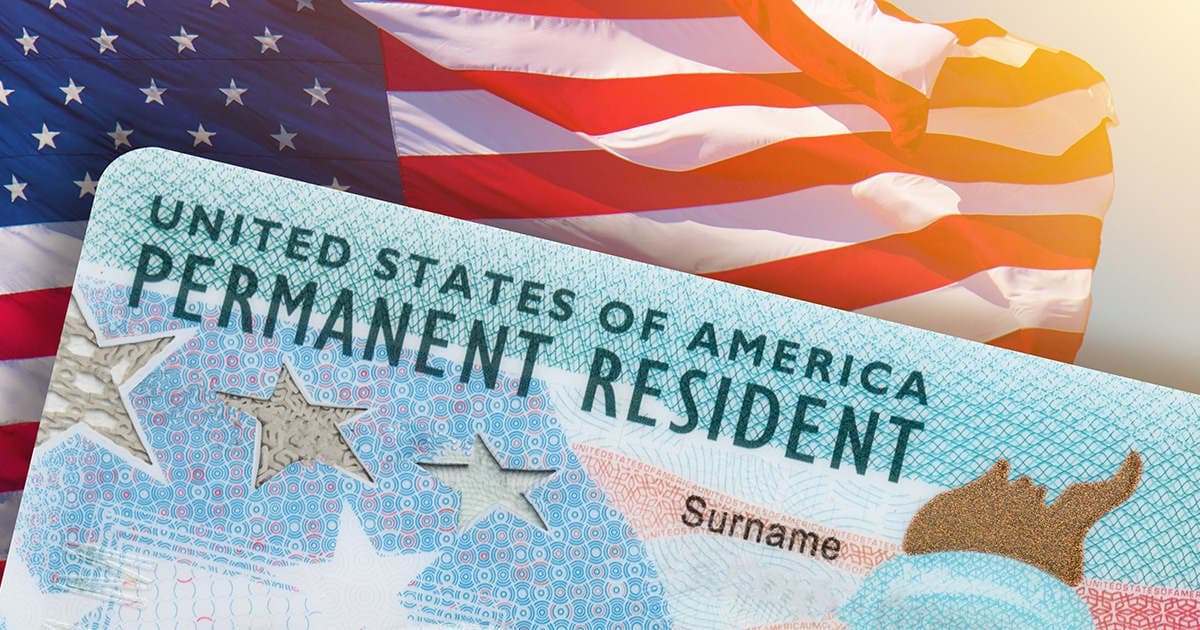
Naturalization is the process through which lawful permanent residents become U.S. citizens. The process typically involves submitting an application, completing a background check, passing a citizenship test covering U.S. history and government, and taking an oath of allegiance. Processing times have varied significantly over the years, influenced by application volume, agency resources, and policy priorities.
The improvements in processing times represent part of broader efforts to modernize the U.S. immigration system and improve customer service. Efficient naturalization processing is important not only for individual applicants but also for the broader goal of integrating immigrants into American society and enabling their full participation in civic life.
As processing times improve, more lawful permanent residents may be encouraged to pursue naturalization. The ability to become a citizen more quickly can have significant benefits for individuals, including the right to vote, eligibility for certain government jobs, and protection from deportation.
Prospective naturalization applicants are encouraged to visit the USCIS website for current processing time estimates and to ensure their applications are complete and accurate when submitted. Applicants should also be aware that processing times can change and that individual cases may take longer or shorter than average depending on specific circumstances.