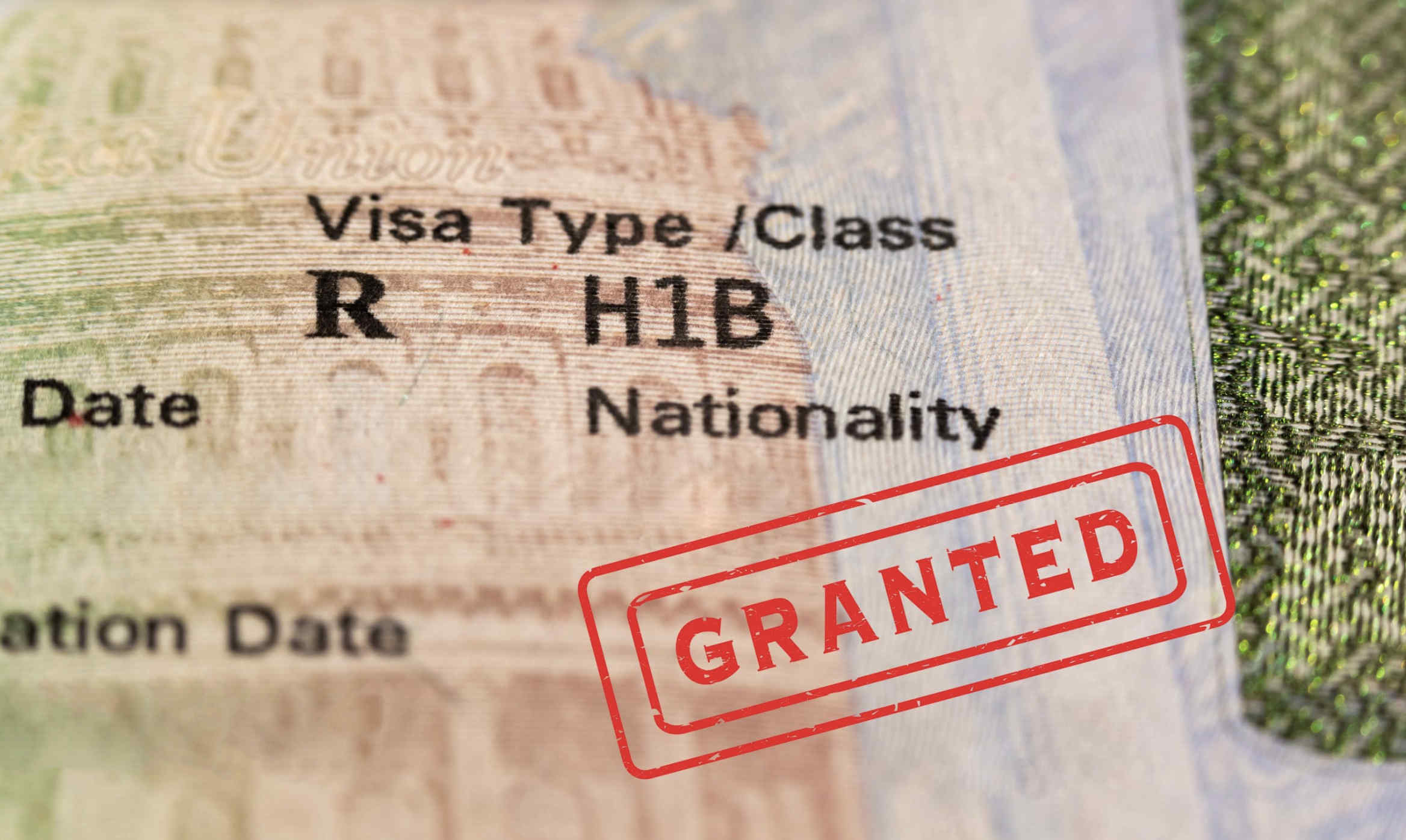
DHS Changes Process for Awarding H-1B Work Visas to Better Protect American Workers
The Department of Homeland Security announced a fundamental change to how H-1B work visas are selected, moving away from a random lottery system toward a wage-based selection method. According to DHS officials, the new process takes effect on February 27, 2026, and will prioritize higher-paid foreign workers in an effort to better protect American workers.
The Associated Press reports that the current H-1B program caps visas at 65,000 annually, with an additional 20,000 slots reserved for individuals holding advanced degrees. When applications exceed these limits, which happens regularly, the system has used a random lottery to select winners. Matthew Tragesser, a spokesperson for U.S. Citizenship and Immigration Services, stated that the existing random selection process was "exploited and abused by U.S. employers who were primarily seeking to import foreign workers at lower wages than they would pay American workers."
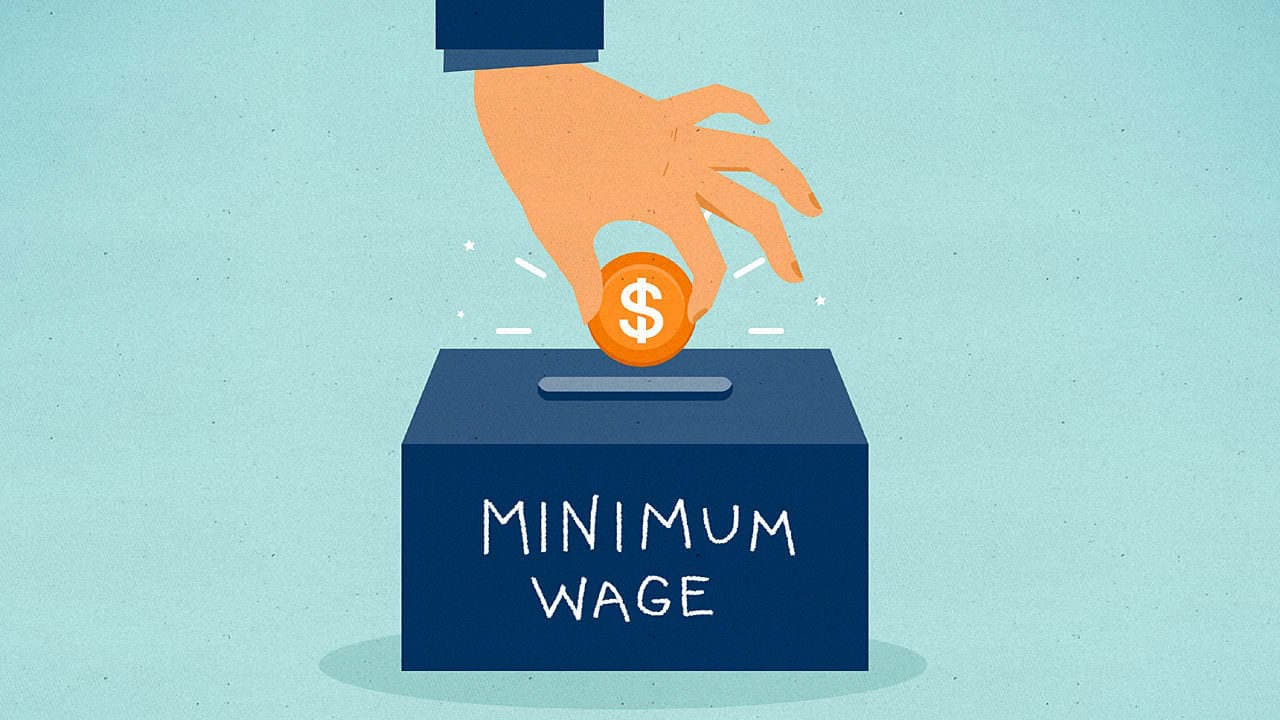
Under the new system, according to TIME magazine, applicants will receive multiple entries into the selection pool based on their wage levels. Workers in the highest wage tier may receive up to four entries, while those in lower wage brackets receive fewer entries. This weighted approach means higher-paid applicants have significantly better odds of being selected compared to their lower-paid counterparts.
USCIS officials stated that the new weighted selection process will "better serve Congress' intent for the H-1B program and strengthen America's competitiveness by incentivizing American employers to petition for higher-paid, higher-skilled foreign workers." The agency maintains that the change aligns with the program's original purpose of filling specialized positions that cannot be readily occupied by U.S. workers.
AP News reports that this reform is part of broader immigration policy changes under the current administration. Earlier this year, officials imposed a $100,000 annual fee for H-1B visa applications, though that measure has faced legal challenges from industry groups and state officials. The administration has also introduced what it calls a $1 million "gold card" visa option for wealthy applicants seeking a path to citizenship.
Critics of the wage-based selection approach have raised concerns about potential unintended consequences. According to TIME, immigration attorney Dobrina M. Ustun cautioned that the change might unintentionally disadvantage institutions central to long-term economic growth, particularly in research and development sectors where salaries may not always reflect the skill or value of the work. Some experts warn that academic institutions and research organizations that rely on H-1B workers could face challenges under the new system.
Supporters of the change argue that it will reduce exploitation of the lottery system and ensure visas go to the most qualified candidates. They maintain that prioritizing higher wages will protect American workers from wage suppression and better align the program with its original Congressional intent.
What's Next / Context
The H-1B visa program has been a cornerstone of U.S. skilled worker immigration for decades, allowing American employers to temporarily hire foreign professionals in specialty occupations. The program's design has been subject to ongoing debate about how to balance the need for skilled foreign workers with the protection of American labor markets. The shift from a random lottery to a wage-based selection represents one of the most significant changes to the program's selection mechanism in recent years.
The implementation date of February 27, 2026, provides employers and prospective applicants approximately one year to understand the new system and adjust their strategies. As with previous immigration policy changes, the new selection process may face legal challenges from various stakeholders, and its long-term impact on American employers, foreign workers, and U.S. labor markets remains to be seen.